This Easy January Trick Brings Christmas Cactus Back Into Bloom
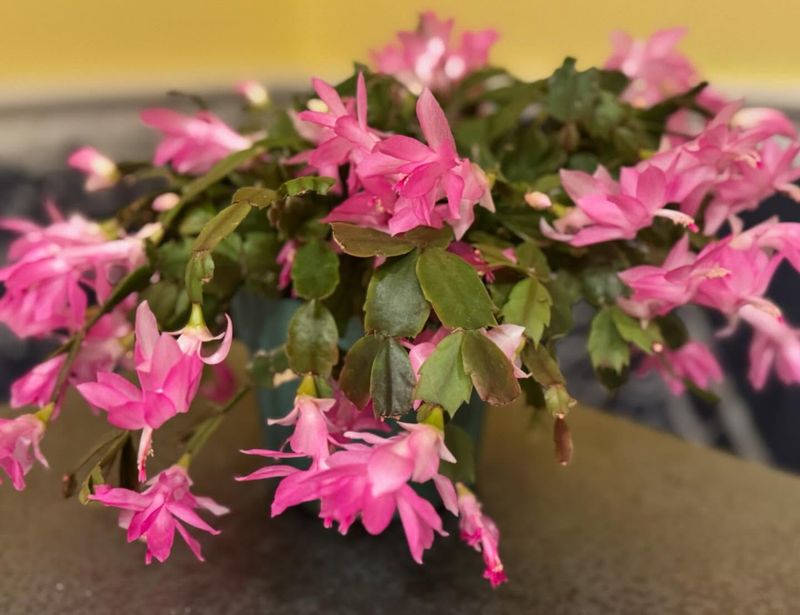
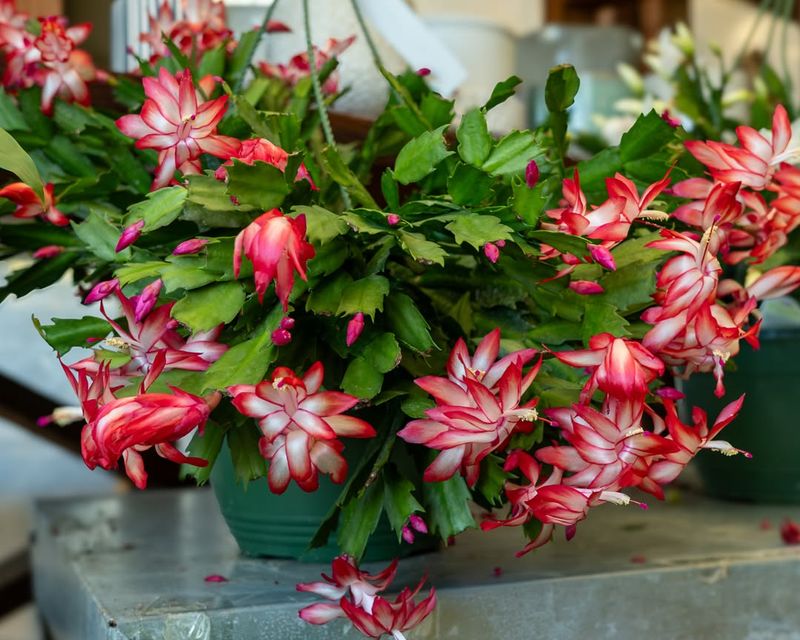
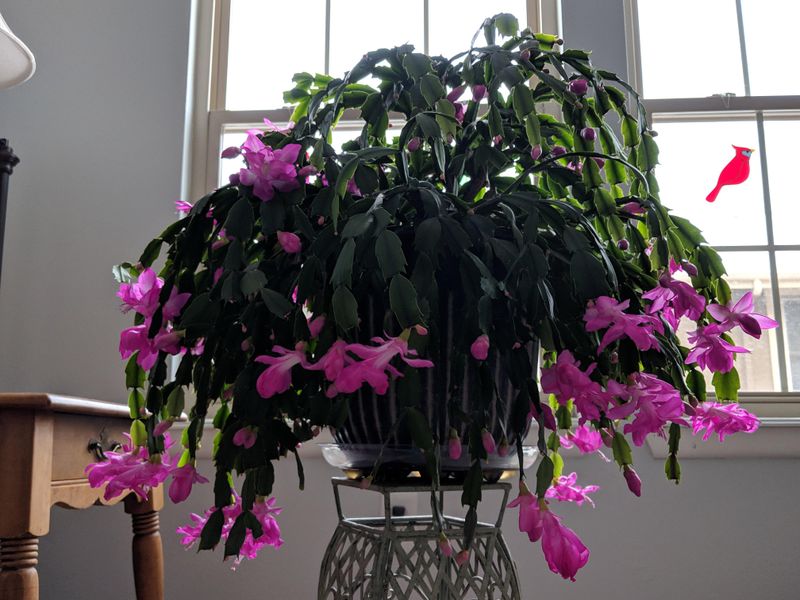
A Christmas cactus sometimes needs a gentle nudge in winter, and understanding what sparks its blooming cycle can make the difference between stubborn silence and a burst of fresh buds.
January gives you the perfect moment to reset your plant and guide it back into bloom, especially when you learn how much a small temperature shift can influence its natural rhythm.
Give It A Quick 12-Hour Night Chill To Kickstart New Buds
Your Christmas cactus actually craves a little cool-down period at night to start forming those gorgeous buds you’ve been waiting for all month long.
Why A Short Cool Spell Works Better Than You’d Expect
that respond to environmental signals, and your Christmas cactus is no different when it comes to sensing seasonal temperature changes.
When temperatures drop at night, it triggers hormonal changes inside the plant that tell it bloom season has arrived and it’s time to start budding.
This response developed over thousands of years in mountainous regions where cooler fall and winter nights naturally signal the plant to begin its flowering cycle.
The beauty of this method is that you’re not forcing anything unnatural, just recreating the conditions that tell your cactus it’s safe to bloom.
Many people keep their homes at steady temperatures year-round, which is comfortable for us but confusing for plants that need those seasonal temperature cues.
By giving your Christmas cactus that brief cool period, you’re speaking its natural language and helping it understand what time of year it really is.
How This Tiny Temperature Shift Wakes Up Stubborn Stems
Sometimes your Christmas cactus just needs a gentle nudge to break out of its resting phase and start channeling energy toward flower production instead of growth.



0 commentaires:
Enregistrer un commentaire